Professional tooth extractions in Thornton Heath
When removing a tooth is the best way to protect your oral health and restore comfort
This paragraph gives us additional space to discuss the treatment if we require it. It's a pretty concise space to get a direct message across.
Experienced clinicians for both routine and more complex extractions
Local anaesthetic used to numb the area and keep you comfortable
Clear guidance before, during and after your appointment
Modern, efficient techniques for a controlled procedure
Reassuring support for anxious or nervous patients
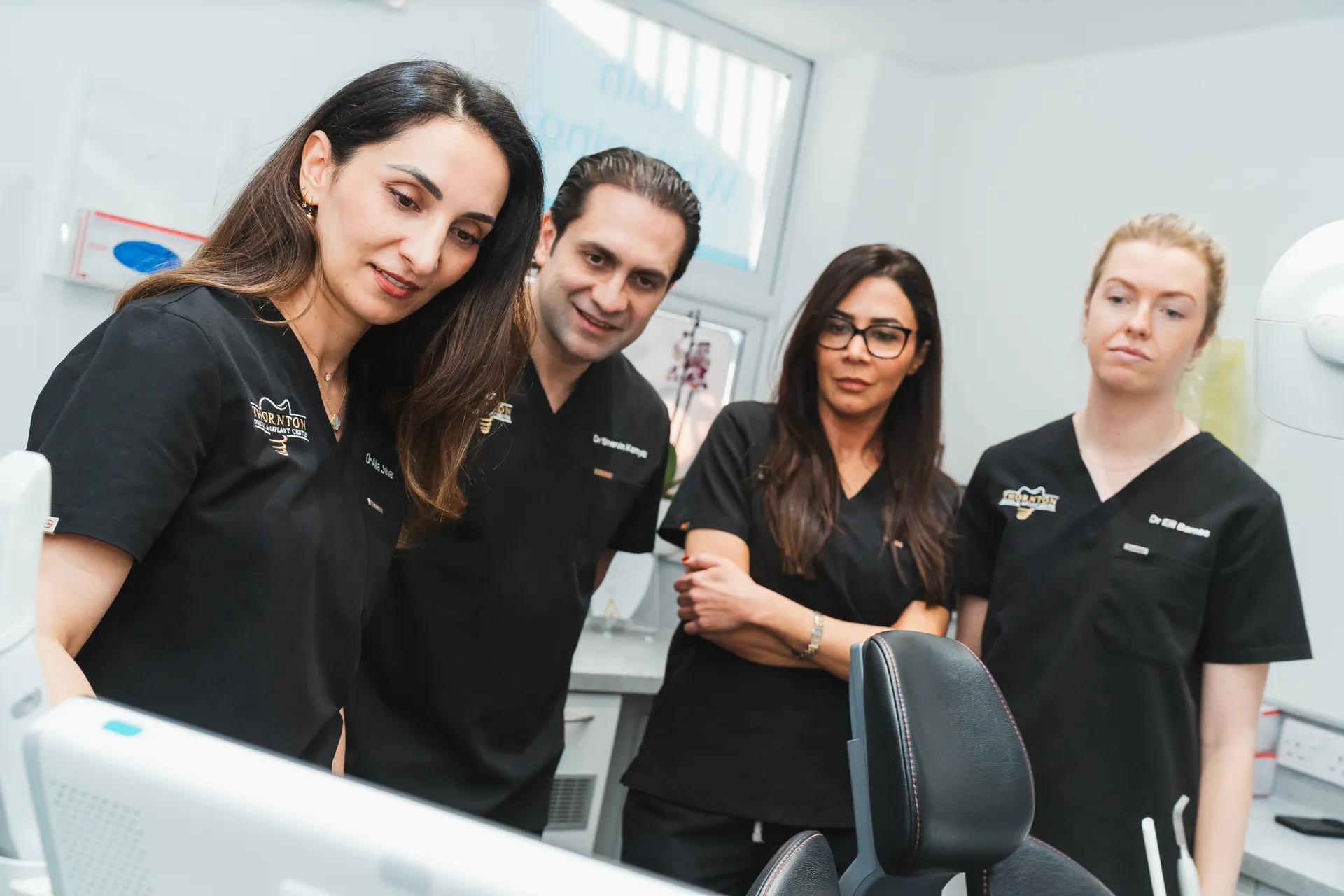
Calm, considered care from our friendly dental team
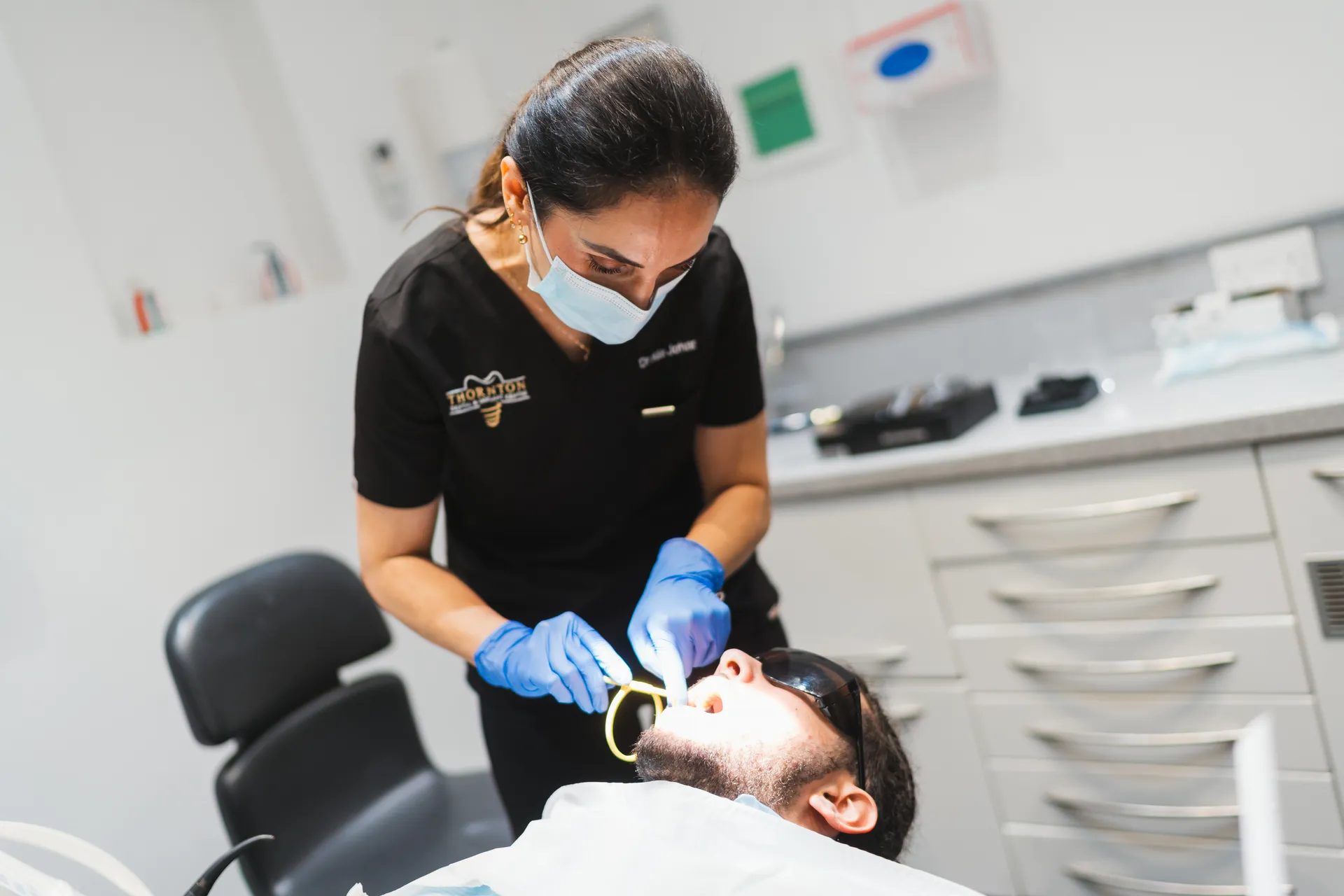
We always aim to save natural teeth wherever possible. If an extraction is recommended, it is because it is the safest option for your long-term dental health. Our dentists take time to explain what is happening, outline alternatives where appropriate, and carry out treatment using modern techniques that prioritise control and comfort.
Severe decay or infection where the tooth cannot be restored
Crowding that affects alignment or your bite
A tooth that has not responded to previous root canal treatment
Gum disease causing a loss of supporting bone around the tooth
Wisdom teeth that are impacted, repeatedly inflamed or difficult to clean
Dental trauma where repair with crowns and bridges is not suitable
Baby teeth that have not loosened naturally and are blocking the adult tooth
Understanding when extraction may be the right choice
Sometimes, a tooth cannot be repaired safely, or keeping it may put neighbouring teeth and gums at risk. Before recommending removal, your dentist will assess your mouth carefully and talk through all suitable options.
Two safe approaches - chosen based on the tooth and its position
The type of extraction we recommend depends on where the tooth sits, how visible it is, and the shape of the roots. If needed, we may take digital X-rays or a 3D scan (our CBCT scanner is available in-house) to plan your care accurately.
Surgical extraction
A surgical extraction may be advised when a tooth is impacted, broken below the gum line, or has roots that make removal more complex. A small incision is used to access the tooth, and it is removed carefully and methodically. This is commonly used for certain wisdom teeth.
Non-surgical extraction
If the tooth is visible above the gum, a simple (non-surgical) extraction is often possible. The tooth is gently loosened and removed under local anaesthetic, and recovery is usually straightforward with the right aftercare.
We will explain the approach we recommend, what you can expect on the day, and how to look after the area afterwards.
How much do tooth extractions cost in Thornton Heath?
We believe you should always understand costs before treatment begins.


Tooth extractions - frequently asked questions in Thornton Heath
Will I feel anything during a tooth extraction?
Local anaesthetic is used to numb the area. You may notice pressure, but the aim is to keep you comfortable throughout.
How long does it take to recover after an extraction?
Many people feel back to normal within a few days. Mild swelling or tenderness can happen, but it usually settles with rest and good aftercare.
Can I replace a tooth after it is removed?
Yes. Depending on your needs, options include dental implants and bridges to restore your bite and appearance.
What should I avoid after my extraction?
For the first 24 hours, avoid smoking, hot drinks and vigorous rinsing. Soft foods are usually best at first, and we will give you clear written guidance.
Are surgical extractions more involved than simple extractions?
They can be more complex, but they are routine procedures. We plan carefully and talk you through what to expect before treatment.
When should I contact the practice after an extraction?
If you have worsening swelling, persistent bleeding, increasing discomfort after the first couple of days, or anything that concerns you, contact us for advice.
When is an extraction usually recommended?
Extractions are typically considered when a tooth cannot be repaired safely - for example due to advanced decay, infection, severe gum disease, or problematic wisdom teeth. Your dentist will assess your mouth first and talk through alternatives before recommending removal.
What happens during a tooth extraction?
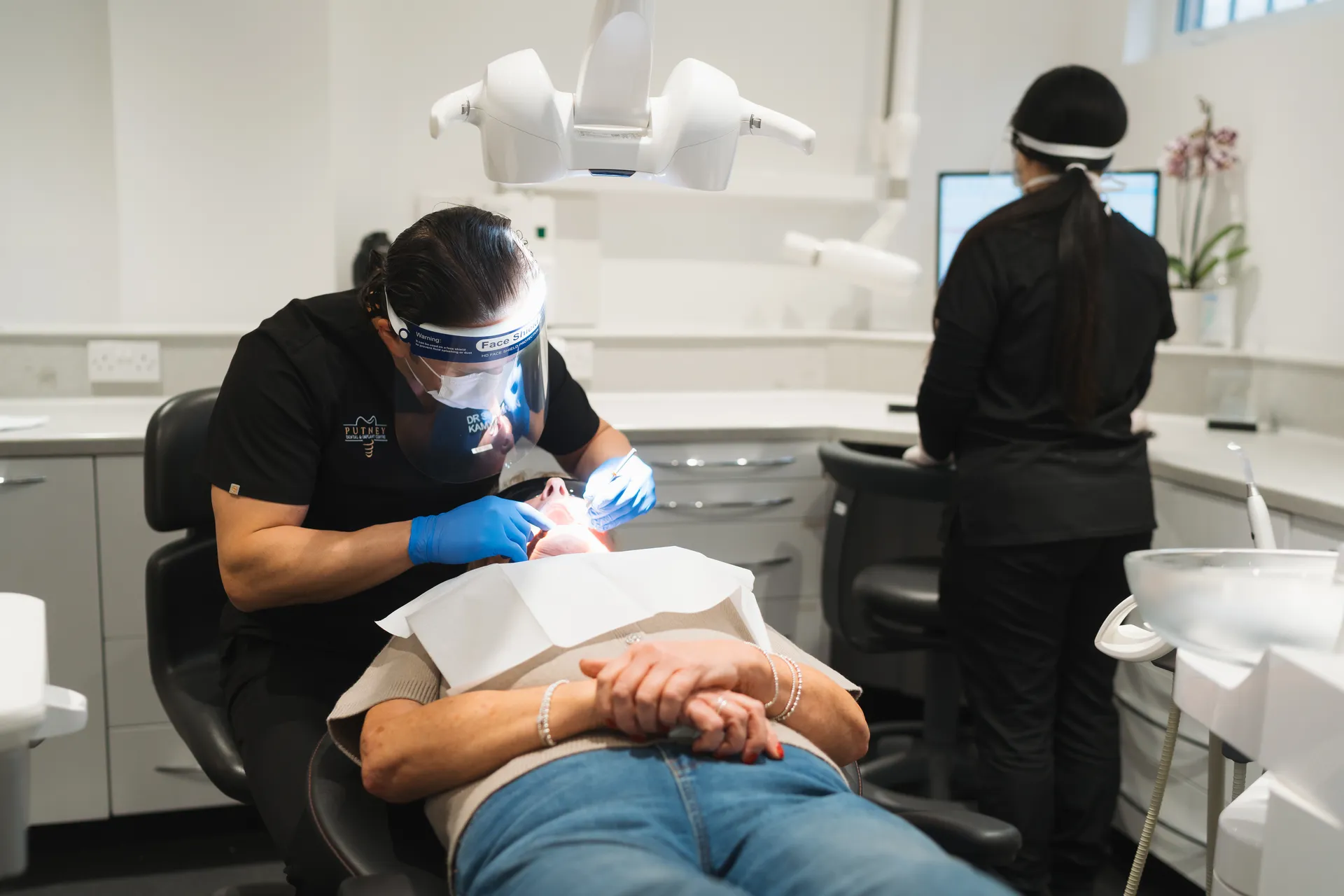
Tooth extractions typically involve the following:
- Before the procedure you may require an x-ray of your teeth.
- Depending on your particular case and the severity of your problem, you may be given a local anaesthetic and offered sedation if you are anxious.
- Dentists have the right equipment and sterile environment to extract teeth with the utmost care and your recovery can be surprisingly quick.
- In the case of wisdom tooth extractions, you may have some swelling after the procedure and discomfort that can be eased with over-the-counter painkillers. In cases of advanced gum disease or periodontitis, antibiotics will be prescribed to reduce the risk of further infection.
When might a tooth need to be extracted?
In cases of advanced gum disease and tooth decay, teeth may need to be extracted. Some patients may also develop impacted wisdom teeth, which can cause intense pain. This is alleviated by having them removed surgically.
One area in which it is possible for dentists to specialise is oral surgery, an umbrella term for all dental procedures involving surgery, such as the extraction of teeth or wisdom teeth. It is always important to get the advice of a dental professional if you are worried about any of your teeth. Never attempt to pull out your own tooth at home as this could cause a more serious problem for you.
What are the benefits of professional tooth extraction?
- Safe and sterile procedure.
- Quick recovery and healing time with reduced infection risk.
- Sustained good oral health.
Ready to book your extraction in Thornton Heath?
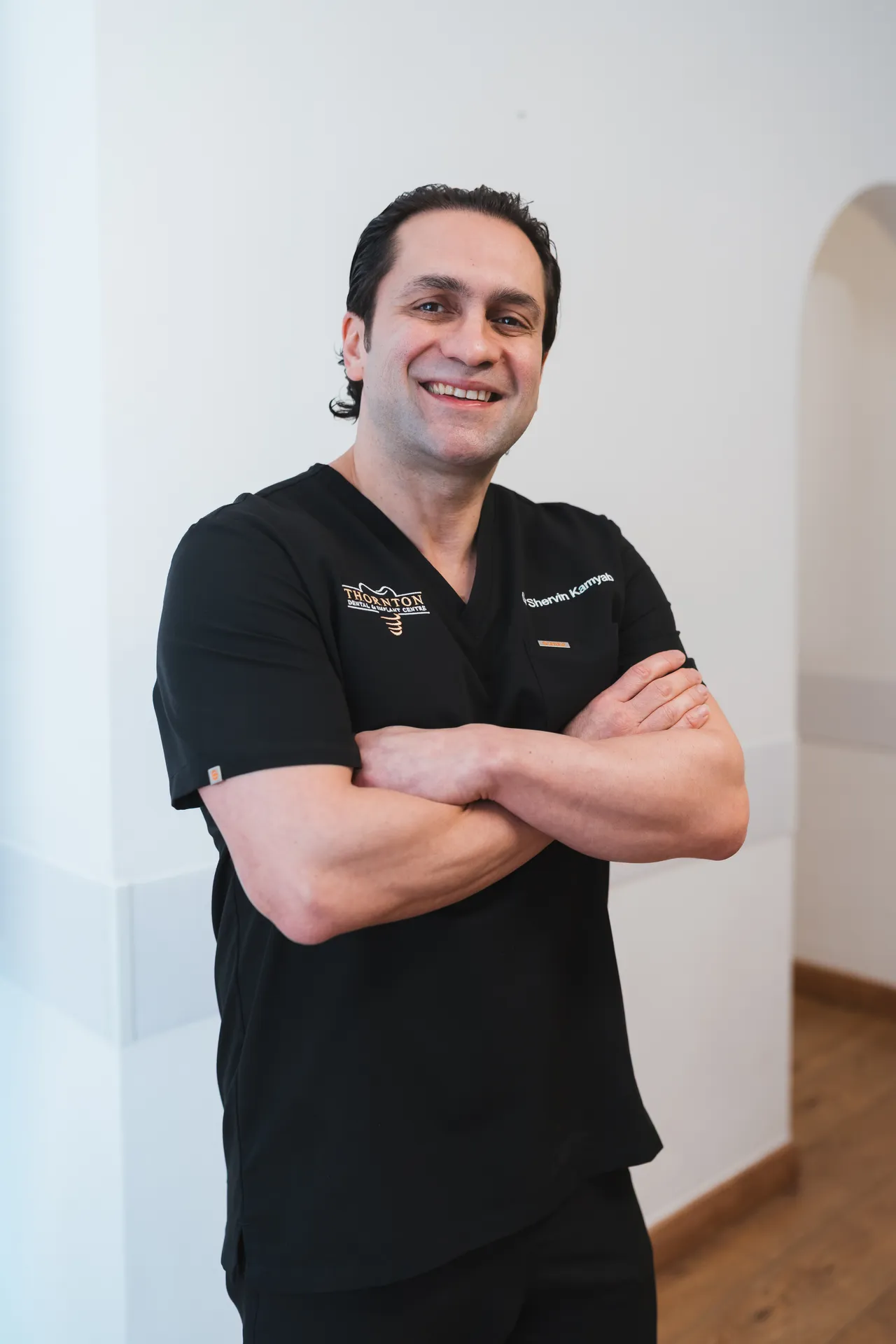
If a tooth needs to be removed, our team will guide you through each step with clear explanations and reassurance. From planning to aftercare, we focus on helping you feel informed, comfortable and looked after.

I have been a patient at Thornton Heath Dental Surgery for over 10 years, and I can truly say this is the best dental clinic I have ever been to.
I honestly had such a great experience here! Dr. Alia Johab is amazing – she made me feel so comfortable and always takes the time to answer any worries I have.
I was treated for a cavity and the experience was excellent! The professional was very attentive, careful and made me feel very comfortable during the procedure.
I have been to different dentists in the past but my visit to Dr Alia has been life changing.
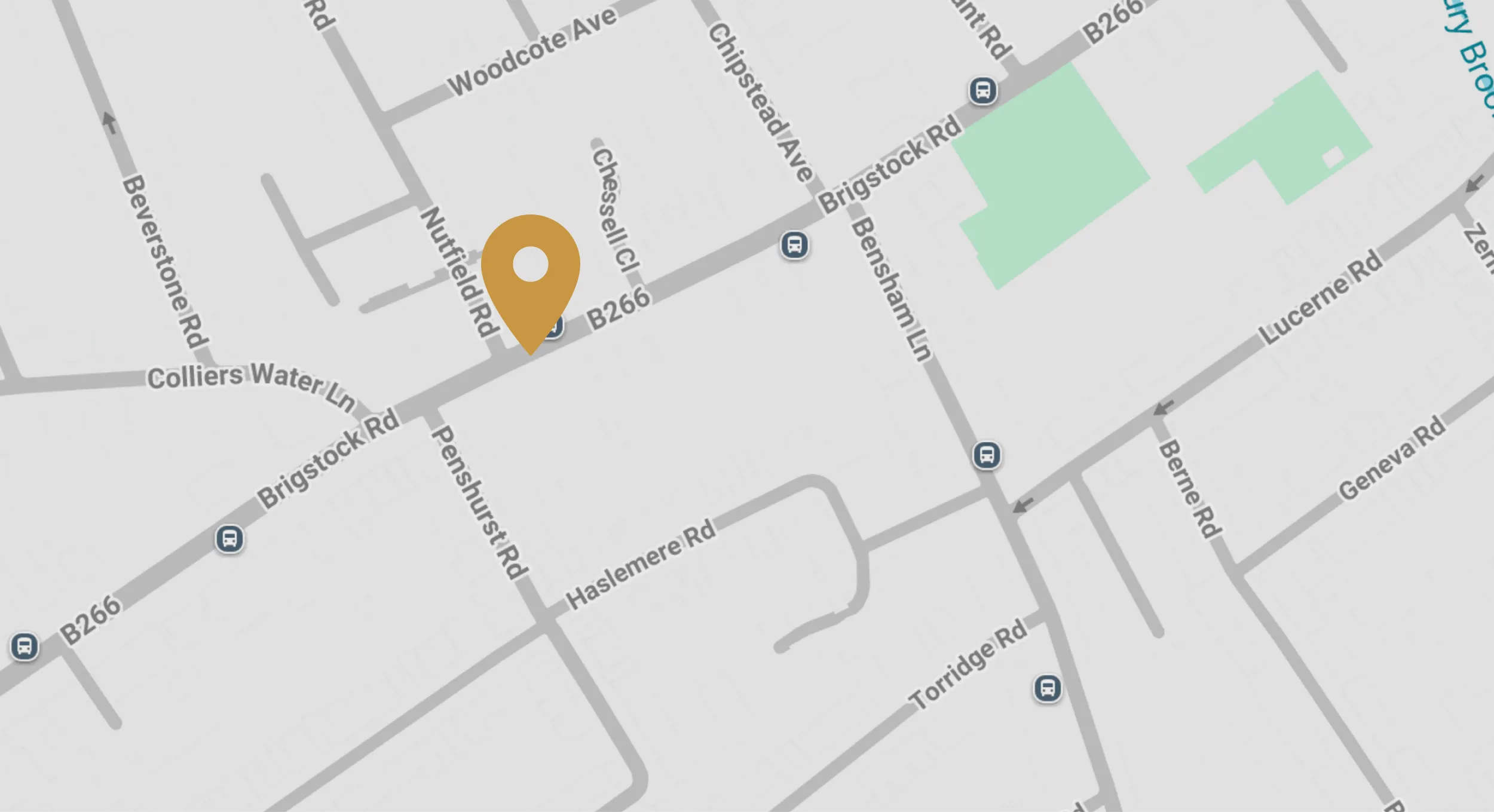
How to find us in Thornton Heath
Thornton Heath,
CR7 7JD
Friday: 9:00am – 4:00pm
Saturday: 9:00am – 1:30pm
Sunday: Closed
250 & 198
Parking available
Thornton Heath train station – 10 mins walk
.svg%201.webp)
Our other practices
Thornton Dental & Implant Centre is part of a small group of independently run dental practices, each offering high-quality care with a patient-first approach across London and Surrey.
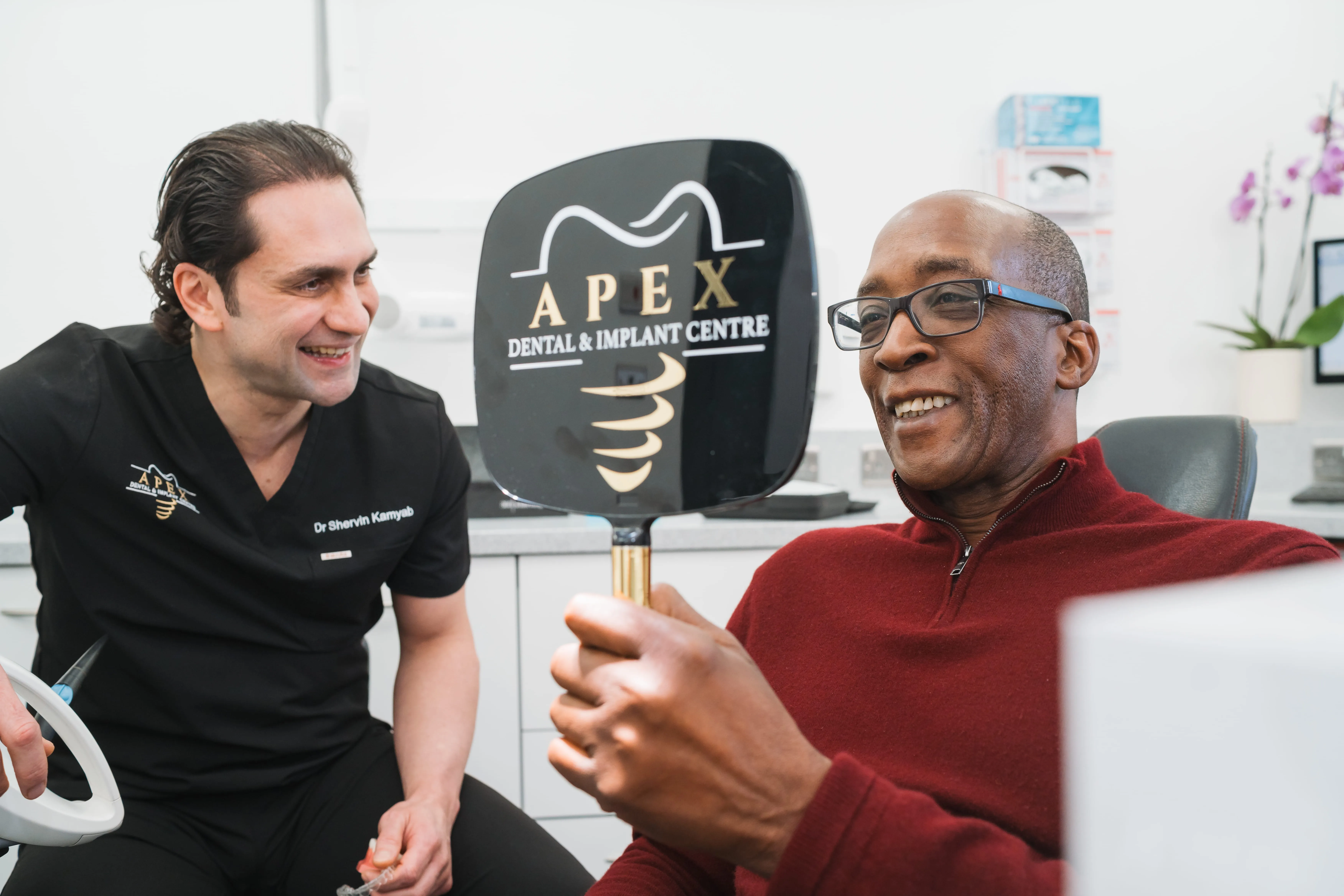
Apex Dental & Implant Centre
200 Hampton Road
West Feltham TW13 6BG
Waterfall Dental & Implant Centre
223 Tooting High Street
London SW17 0TD
Putney Dental & Implant Centre
353 Upper Richmond Road,
Putney, London, SW15 5QJ