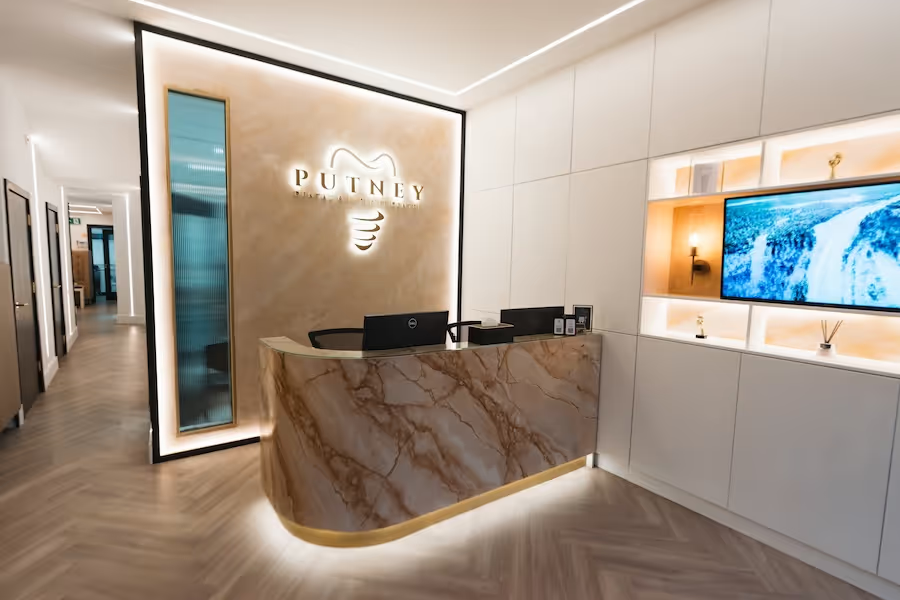
Jaw pain, clicking or bite problems in Thornton Heath?
Practical TMJ support and bite guidance to help you feel comfortable again
This paragraph gives us additional space to discuss the treatment if we require it. It's a pretty concise space to get a direct message across.
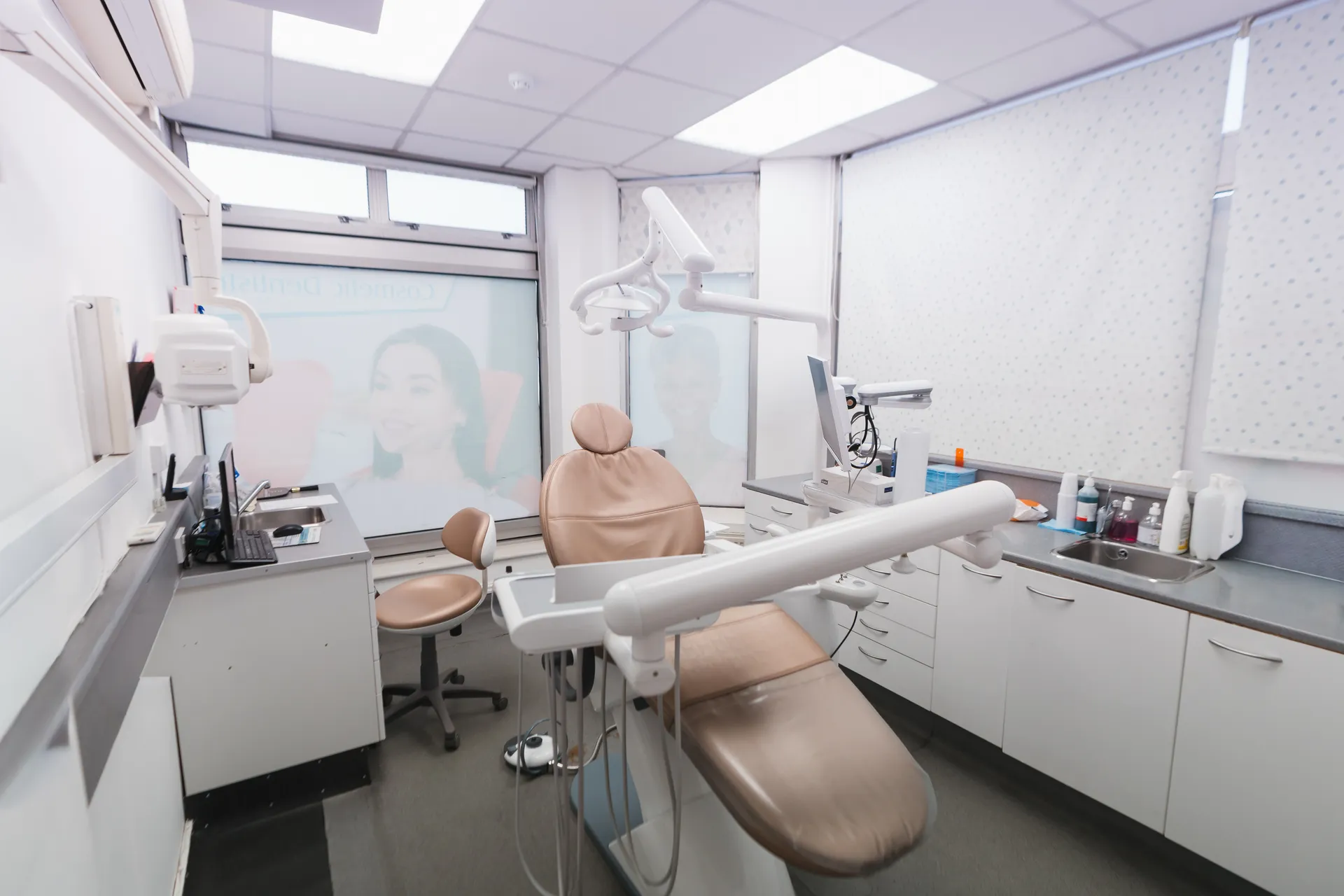

Unhurried assessments with time to talk through your symptoms
Support focused on comfort, function and long-term jaw health
Advice tailored to your bite, habits and lifestyle
Referral pathways available if additional care is needed
Is your jaw feeling sore or tired?
Jaw discomfort can impact more than chewing. When your teeth do not meet evenly, extra strain can build up in the jaw joints and facial muscles. Over time, that tension may lead to aches, stiffness, headaches or clicking.
At Thornton Dental & Implant Centre, we take time to assess your bite and jaw movement, then talk you through practical next steps. Our goal is to reduce strain, protect your teeth, and help you feel more comfortable day to day.

Jaw soreness, tightness or stiffness
Clicking, popping or a grating feeling when opening or chewing
Facial tenderness around the cheeks or temples
Headaches that feel linked to jaw tension
Neck, shoulder or upper back discomfort
Clenching or grinding, especially during sleep
What can cause TMJ problems near Bensham Manor and Selhurst?
The way your upper and lower teeth come together is called your bite. If the teeth are misaligned, it can create an uneven bite - sometimes referred to as malocclusion or a 'bad bite'. This imbalance can overload the jaw joint (TMJ) and the surrounding muscles.
Teeth grinding and jaw clenching in Norbury and Croydon
Teeth grinding (bruxism) and jaw clenching often happen at night, so you may only notice the effects in the morning. Over time, grinding can wear teeth down and increase pressure through the jaw joint.
Signs can include flattened biting edges, small chips, jaw tension on waking, or frequent headaches. If left unchecked, the strain can build and lead to ongoing discomfort.
Where suitable, we may recommend a custom-made night appliance to help reduce pressure and protect your teeth.
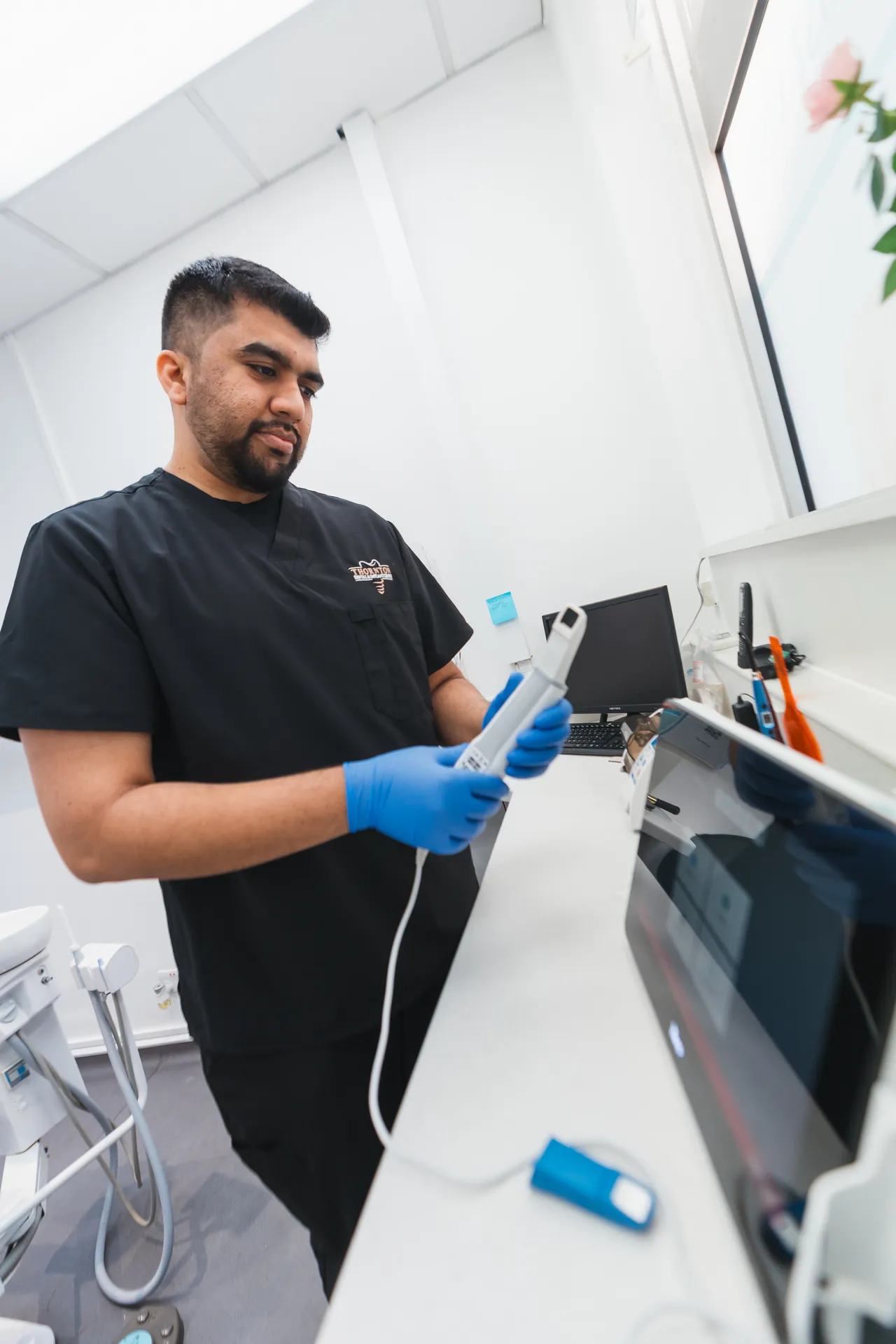
Supportive options for jaw problems on Brigstock Road
The best approach depends on what is driving your symptoms. We will assess your bite, jaw movement and oral health, then explain the options clearly.
Treatment may include:
Custom-made bite appliance
Using impressions or digital scans, we create a tailored appliance worn at night. This can help relax jaw muscles, reduce pressure on the TMJ and limit tooth wear.
Bite adjustment or restorative care
In some cases, improving how the teeth meet - or replacing missing teeth and correcting ill-fitting restorations such as crowns and bridges - can help the bite function more evenly.
Orthodontic or referral support
If needed, we can arrange referral for orthodontic assessment or maxillofacial care to make sure you receive the right level of support.
The earlier you address jaw and bite issues, the easier it is to prevent symptoms from worsening over time.
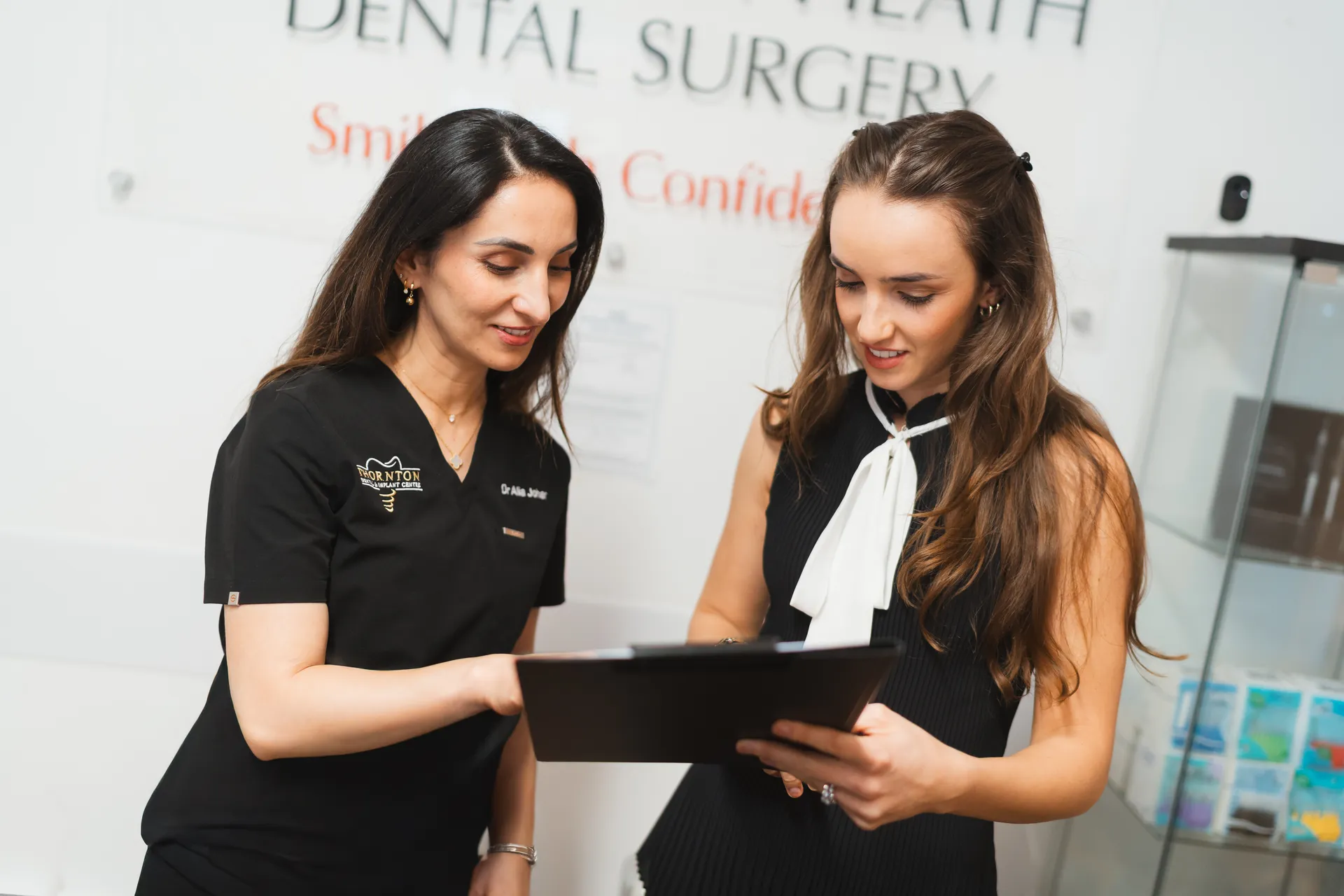
Why it helps to address jaw issues early in Thornton Heath
Our focus is to support your comfort while helping to protect your teeth and jaw health for the long term.

Jaw problems and TMJ - frequently asked questions in Thornton Heath
What does TMJ mean?
TMJ refers to the temporomandibular joint - the hinge joint that connects your jaw to your skull. TMJ problems often involve the joint itself and the muscles around it.
Can jaw issues cause headaches?
Yes. When jaw muscles stay tense, it can contribute to headaches, facial aching and tenderness around the temples.
Do I need surgery for TMJ problems?
Most people do not. Many cases are managed with conservative steps such as bite appliances, bite guidance and monitoring. Surgery is only considered in specific situations and would involve referral.
Will a night guard damage my teeth?
No. A custom-made night appliance is designed to fit your teeth closely and help protect them from wear while reducing pressure on the jaw joint.
Should I book an assessment if my symptoms are mild?
It is worth checking early. Small symptoms can become more noticeable over time, and early advice can help you avoid more severe discomfort later.
What is a bad bite (malocclusion) and how can it affect my jaw?
The way your teeth meet when your top and bottom jaws close down on top of each other is known as your ‘bite’. If your teeth don’t fit together properly, you could have malocclusion or ‘bad bite’, which can cause problems with your teeth, gums, the temporo-mandibular joint (TMJ) and the muscles in your face.
This misalignment, often referred to as TMJ disorder, can also cause some people to clench the jaw and grind their teeth at night. This can lead to facial pain, headaches, discomfort and clicking when biting or chewing, migraines as well as neck and shoulder pain, and even back pain.
How do dentists help with jaw pain and grinding?
We start by assessing your bite, jaw movement and any signs of wear. Depending on what we find, we may recommend a night appliance, bite adjustments, restorative improvements or referral for additional support.
How are TMJ problems and teeth grinding treated?
If you recognise any of these symptoms or suffer with these on a daily basis, you will need to see a dentist to treat your problems or to refer you to a specialist if necessary.
Treatment can include the following:
- Impressions of your teeth are taken to create a customised plastic appliance that fits over your teeth and is worn at night.
- When the device is worn, your teeth are in a position where your facial muscles are relaxed, preventing grinding and taking the pressure off your TMJ.
- The device also protects the teeth, preventing them from becoming worn down by grinding.
Depending on the origin and severity of your problem, you may need orthodontic treatment or maxillofacial surgery. Other solutions may include replacing missing teeth or adjusting any ill-fitting bridgework that you may have. The most important thing to do is to see your dentist as soon as possible so that your problem does not become worse over time and require more drastic measures to correct.
Book a jaw assessment at Thornton Dental & Implant Centre
If you are experiencing jaw discomfort, clicking, headaches or tension when chewing, we are here to help. We will take time to understand your symptoms, explain what may be contributing, and recommend practical next steps.

I have been a patient at Thornton Heath Dental Surgery for over 10 years, and I can truly say this is the best dental clinic I have ever been to.
I honestly had such a great experience here! Dr. Alia Johab is amazing – she made me feel so comfortable and always takes the time to answer any worries I have.
I was treated for a cavity and the experience was excellent! The professional was very attentive, careful and made me feel very comfortable during the procedure.
I have been to different dentists in the past but my visit to Dr Alia has been life changing.
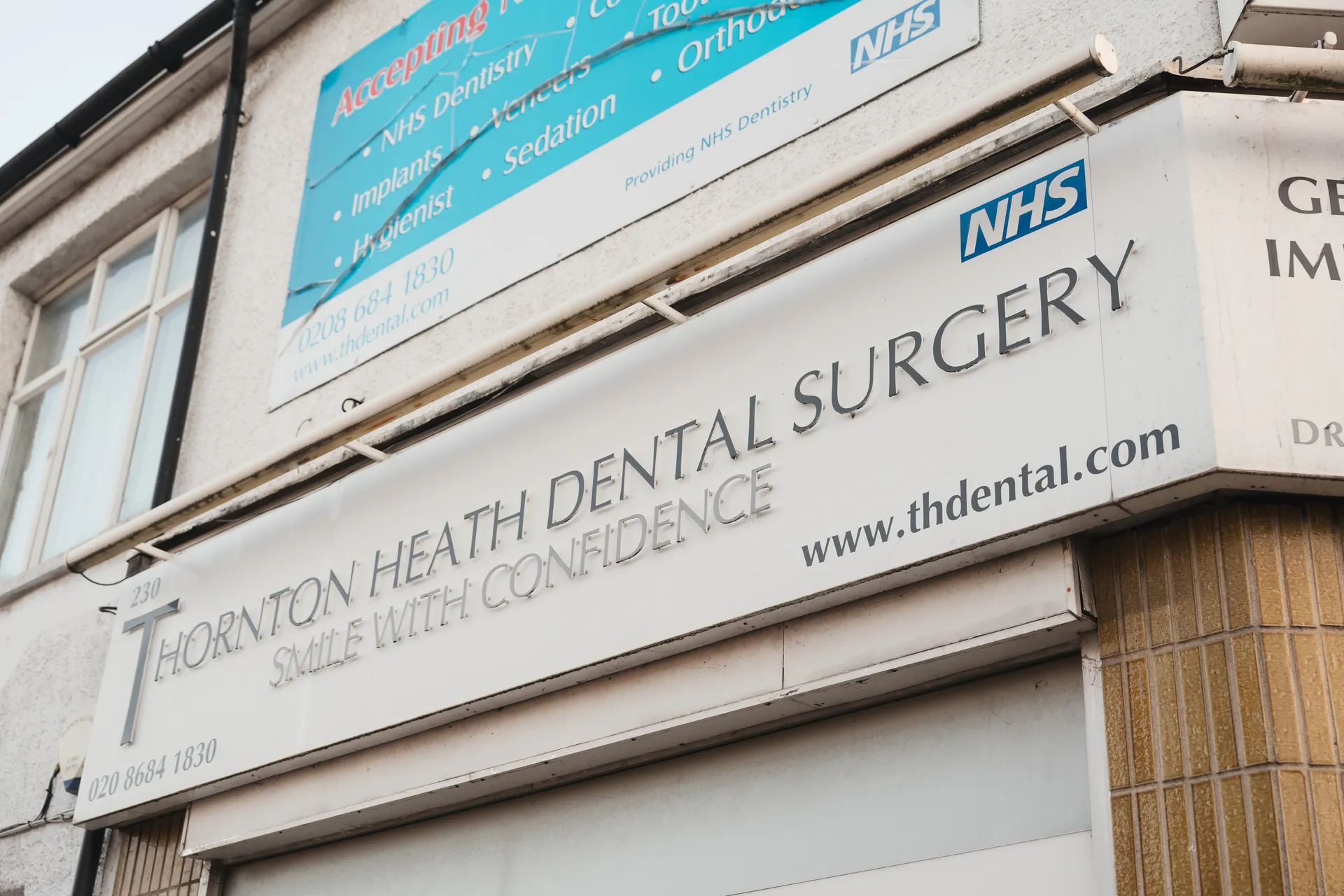
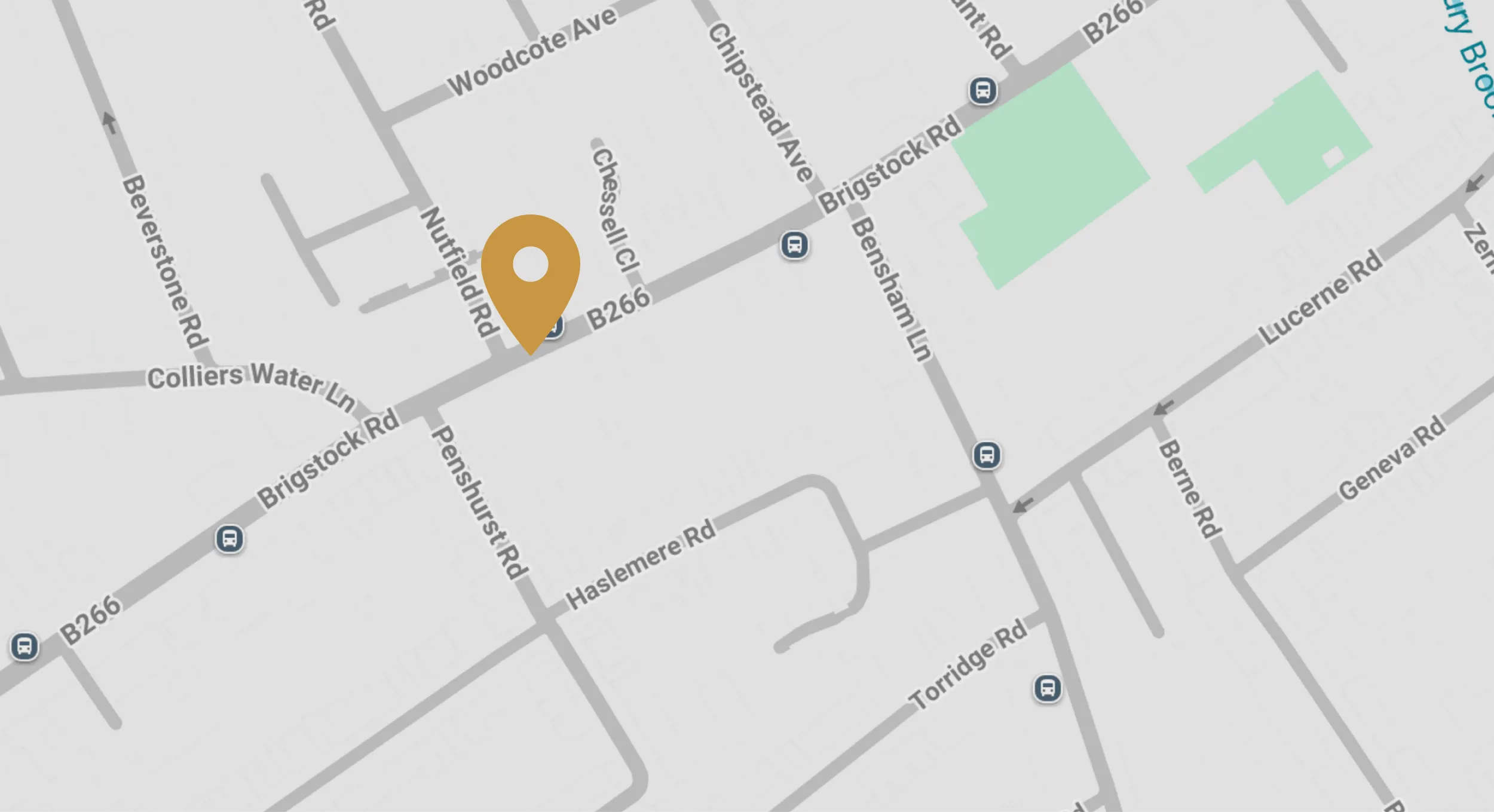
How to find us in Thornton Heath
Thornton Heath,
CR7 7JD
Friday: 9:00am – 4:00pm
Saturday: 9:00am – 1:30pm
Sunday: Closed
250 & 198
Parking available
Thornton Heath train station – 10 mins walk
.svg%201.webp)
Our other practices
Thornton Dental & Implant Centre is part of a small group of independently run dental practices, each offering high-quality care with a patient-first approach across London and Surrey.
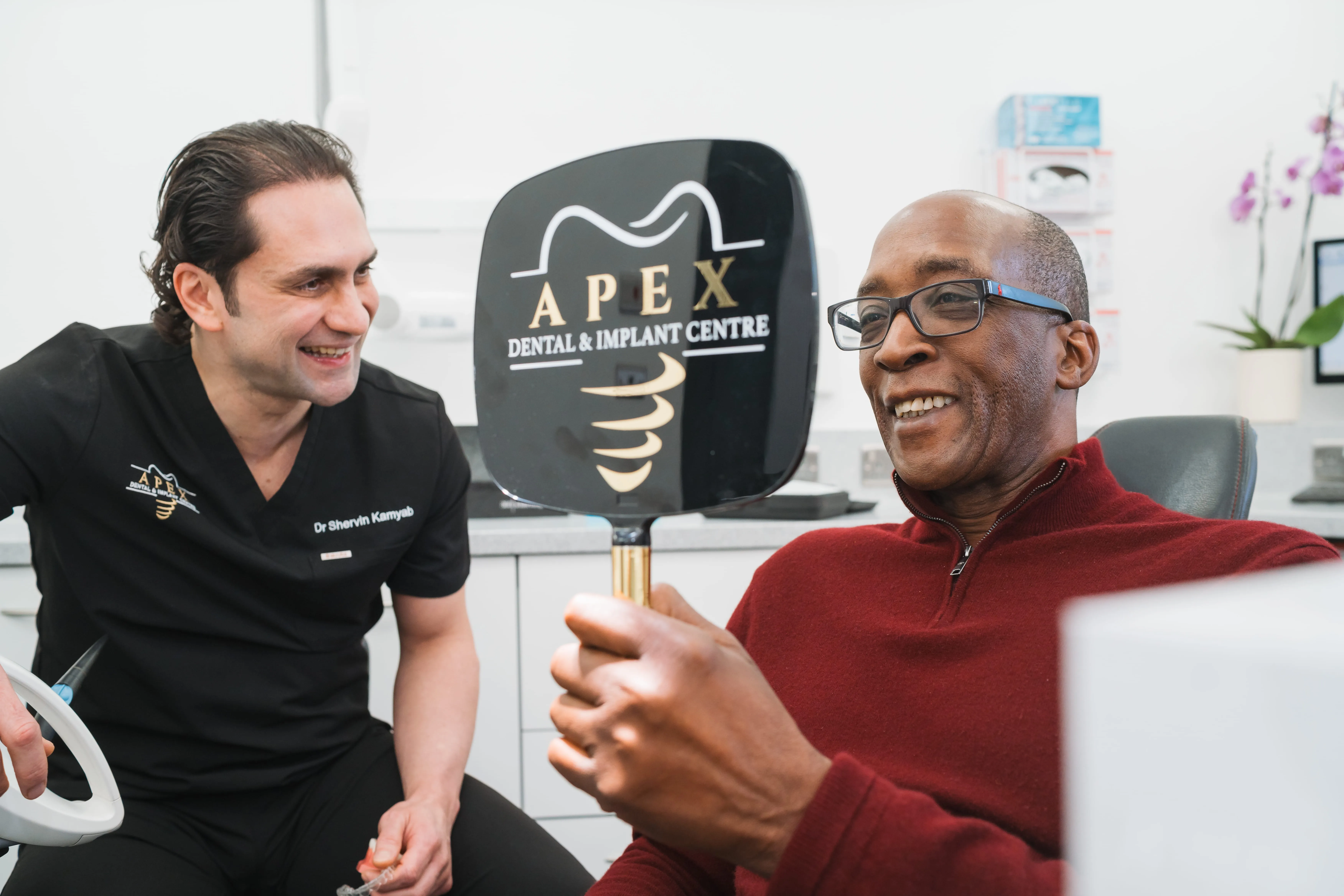
Apex Dental & Implant Centre
200 Hampton Road
West Feltham TW13 6BG
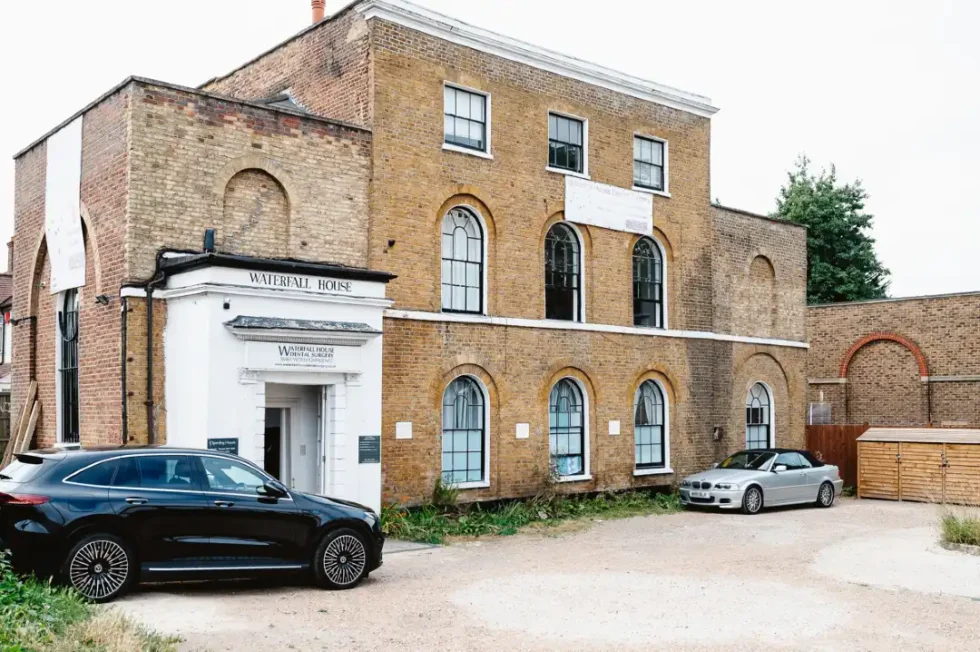
Waterfall Dental & Implant Centre
223 Tooting High Street
London SW17 0TD
Putney Dental & Implant Centre
353 Upper Richmond Road,
Putney, London, SW15 5QJ